How windy is too windy to go hiking? Our professional guide
May 7, 2026
Qualified Mountain Leader Alex Foxfield shares his experiences of hiking in high winds and provides guidance on different wind speeds


Qualified Mountain Leader Alex Foxfield shares his experiences of hiking in high winds and provides guidance on different wind speeds
How windy is too windy to go hiking? Wind speed and direction should be one of the first things you look for in a mountain weather forecast before setting out on a hike. Here’s why…
As someone who enjoys, rather than shirks from, the challenge of the mountains when they truly snarl, I’ve experienced my fair share of difficult conditions, particularly in winter. I’ve battled the ferocity of a blizzard in Scotland’s sub-Arctic Cairngorms. I ventured out, ice axe in hand, during the UK’s infamous 2018 Beast from the East, an extreme cold snap that brought half of Britain to a standstill. I’ve put on a brave face through many forgettable days on torrential upland rain.
However, it was a modest adventure on Scotland’s popular Ben Lomond that emphatically answered the question above. We were newly arrived in the Highlands and had a couple of mountaineering goals on the agenda for the following days. Before arriving at our lodgings, my friend Mirek and I were keen for a quick hillwalking fix to fill the afternoon.
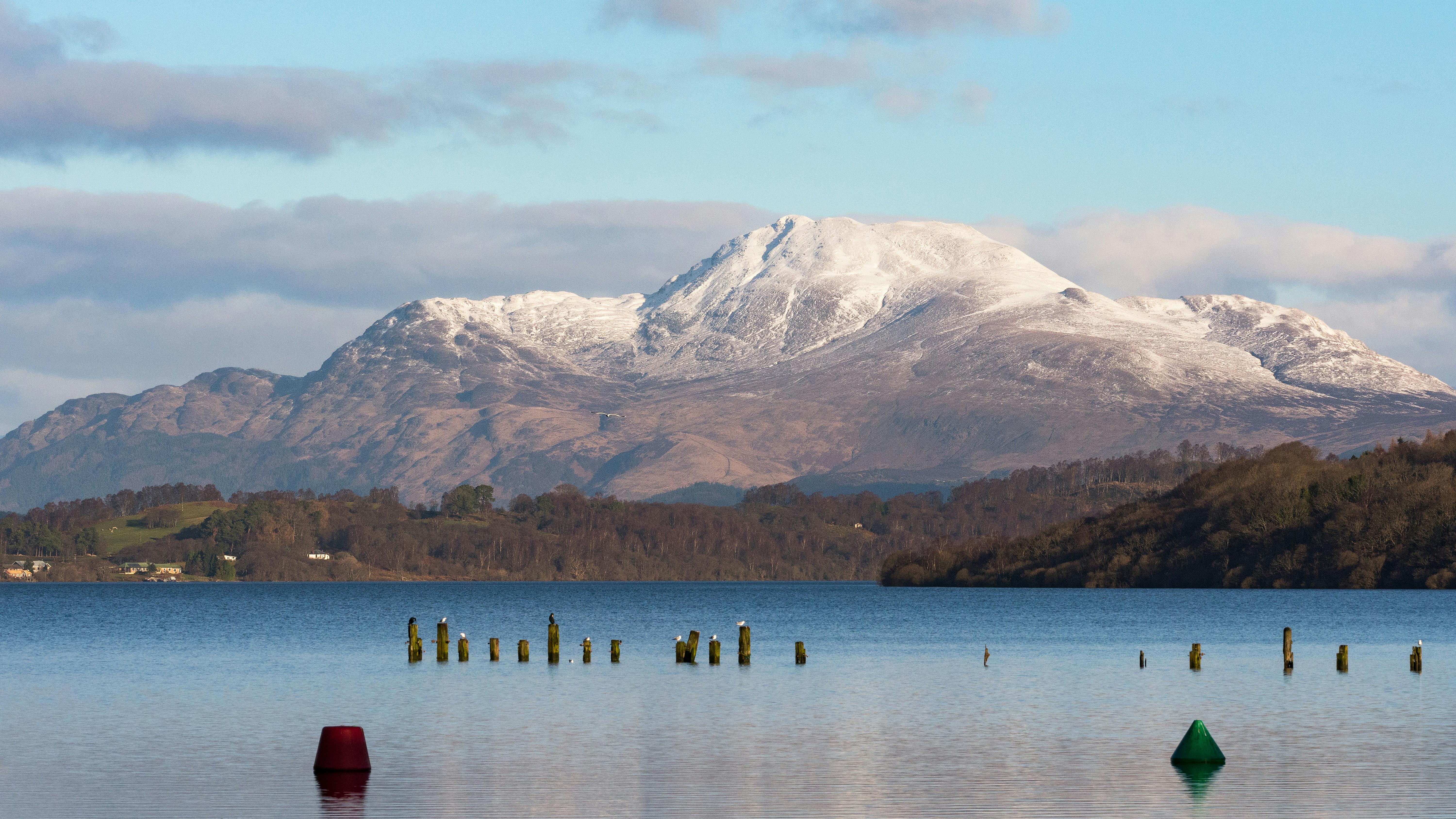
Rising above the eastern shores of bonnie Loch Lomond, Ben Lomond is a much-hiked objective thanks to its easy accessibility and short distance from the population centre of Glasgow. The classic round of the mountain is a relatively straightforward hike, ascending its long south ridge before returning along its western Ptarmigan ridge, with stupendous views across the loch and its islands.
However, a consultation of the mountain weather forecast revealed that westerly gusts of up to 70mph could be expected at some point during the afternoon, though all was calm by the loch shore. Short on time but high on motivation, we decided to go ahead. After all, we could always turn back if conditions markedly deteriorated and it wasn’t as if the round of Ben Lomond featured any frightfully narrow ridges.
The ascent passed unremarkably. Admittedly, the weather wasn’t great – it was a bit blowy, the cloud base was well below the summit and misty drizzle had long since coated our waterproofs. It wasn’t too long before we’d made it to the 3,196-foot summit, where we were met by a fierce, but not unmanageable, wind.
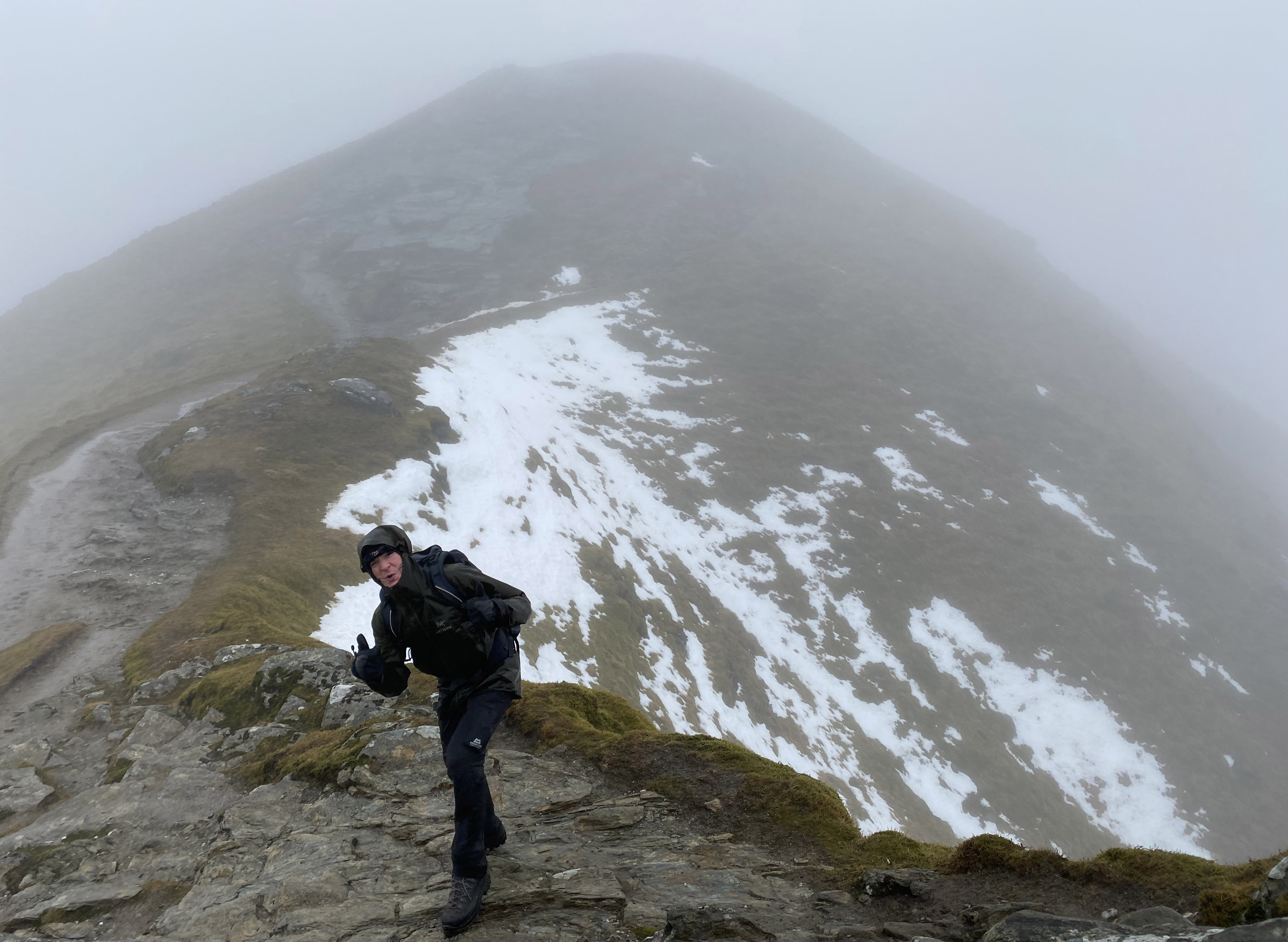
With no views to speak of and eager to descend, we dropped off the summit and on to the northwest shoulder. It was then that we were hit with an absolutely ferocious gust, the sort that reminds one of nature’s awesome power and how insignificant we are as humans. It quickly became clear that our ascent had pretty much been totally shielded from this roaring, violent south-westerly wind.
The next 400 metres along the exposed northwest shoulder were the scariest I’ve ever experienced in the mountains. We used rock outcrop after rock outcrop for shelter, running between them whenever the gusts abated slightly, like soldiers darting for cover under enemy gunfire. Whenever I was caught out in the open during one of the stronger gusts, I felt totally out of control, at the whim of the elements. We weren’t being taken off our feet, but it wasn’t far off such a situation. With relief, we reached the relative safety of the more sheltered Ptarmigan ridge.
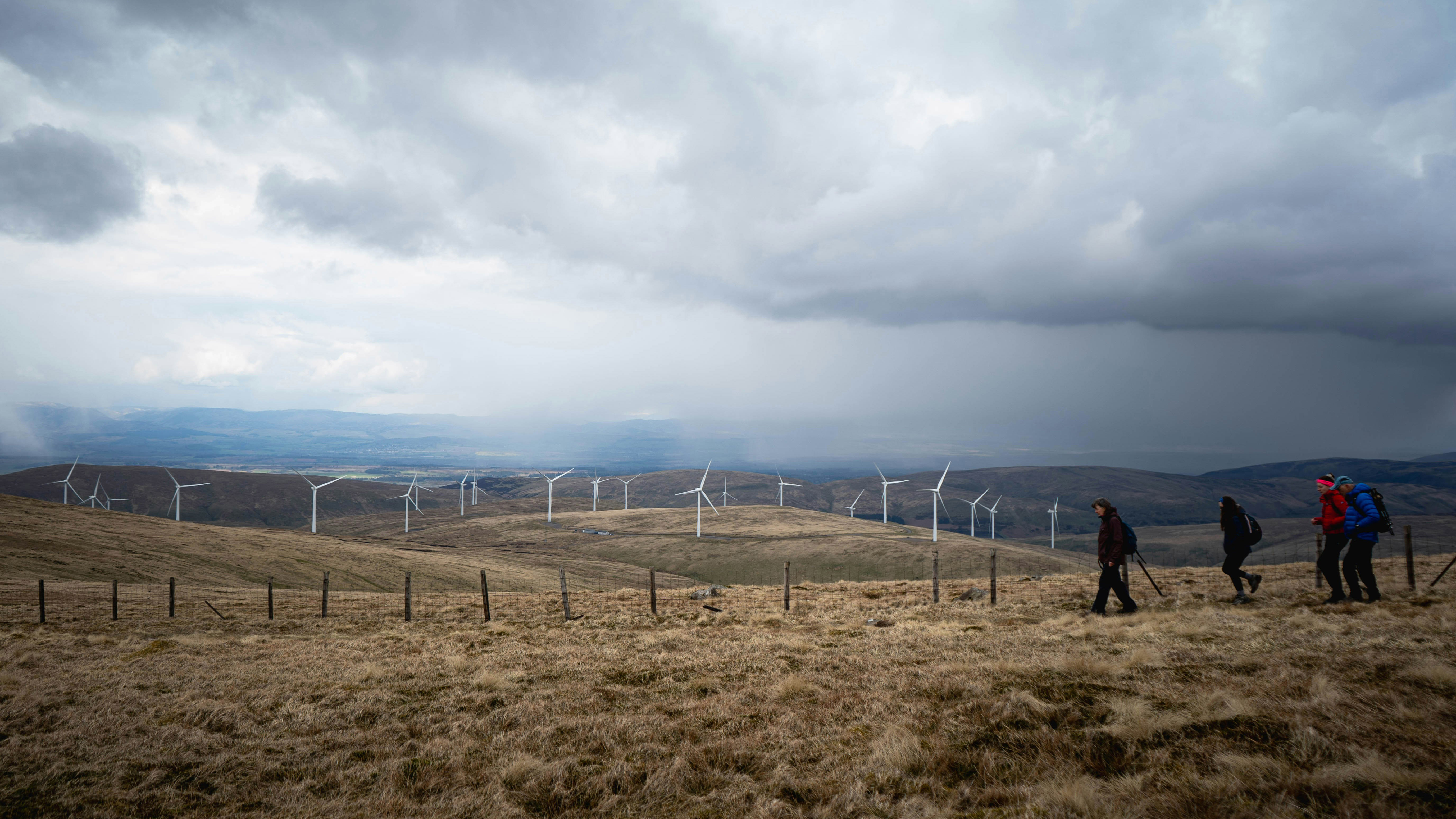
I have no way of knowing whether the gusts we encountered on Ben Lomond hit 70mph or whether they were in excess of that. However, from that day onwards, I’ve never committed to a hike when anything like these kinds of wind speeds are in the forecast.
MountaineeringScotland, the nation’s recognised representative organisation for hillwalkers, climbers, mountaineers and ski-tourers, provide the following guidance for wind speeds in excess of 70mph:
You’re having a laugh! Seriously though, folks, if you are seeing a wind speed of 70 mph or more on the mountain forecast, this is the time to head for a walk in the glen. If you do get caught out in this strength of wind, go with the wind, avoid exposed ridges/corrie rims, link arms. You may even have to resort to crawling to get across a particularly exposed section and get down to a more sheltered area as quickly as you can.
So, it’s clear that 70mph winds are too strong when you’re eyeing up a hike. Let’s break down the wind speeds you’re likely to see in a forecast and what you can expect the experience to be like.
0-20 mph: The wind will have very little impact on your experience and enjoyment.
20-30 mph: Although these wind speeds shouldn’t impact your balance, they have a bearing when it comes to wind chill, particularly during the colder months. Be sure to pack a hat, gloves and extra layers, and be aware that unsecured items could be blown away.
30-40 mph: These kinds of speeds have the potential to knock you off balance, particularly if a strong gusts hits suddenly. Avoid terrain where a fall could be fatal and be aware that the “feels like” temperature will be much less than the ambient temperature.
40-50mph: Things are starting to get very challenging now. Walking will be arduous and gusts will be strong enough to seriously impact the balance of a fit hiker. If hiking into the wind, you’ll have to lean into it to make progress. Mixed with cold and rain, this could be a potentially deadly cocktail.
50-60mph: We’re into the realms of danger here, where gusts can potentially knock you off your feet. Progress in these kinds of wind speeds is exhausting and you may need to cower down or seek shelter when gusts hit. In short: get off the mountain.
60-70mph: Seriously dangerous conditions. Again, get off the mountain.
Everyone is different, with their own level tolerance for difficult conditions, which might come down to experience or simply their size and body shape. How windy is too windy to go hiking is really down to the individual, up to a point.
However, once you start dealing with wind speeds in excess of 40mph, enjoyment starts to be negatively impacted. Somewhere around 50mph, things start to get dangerous, especially for the inexperienced.
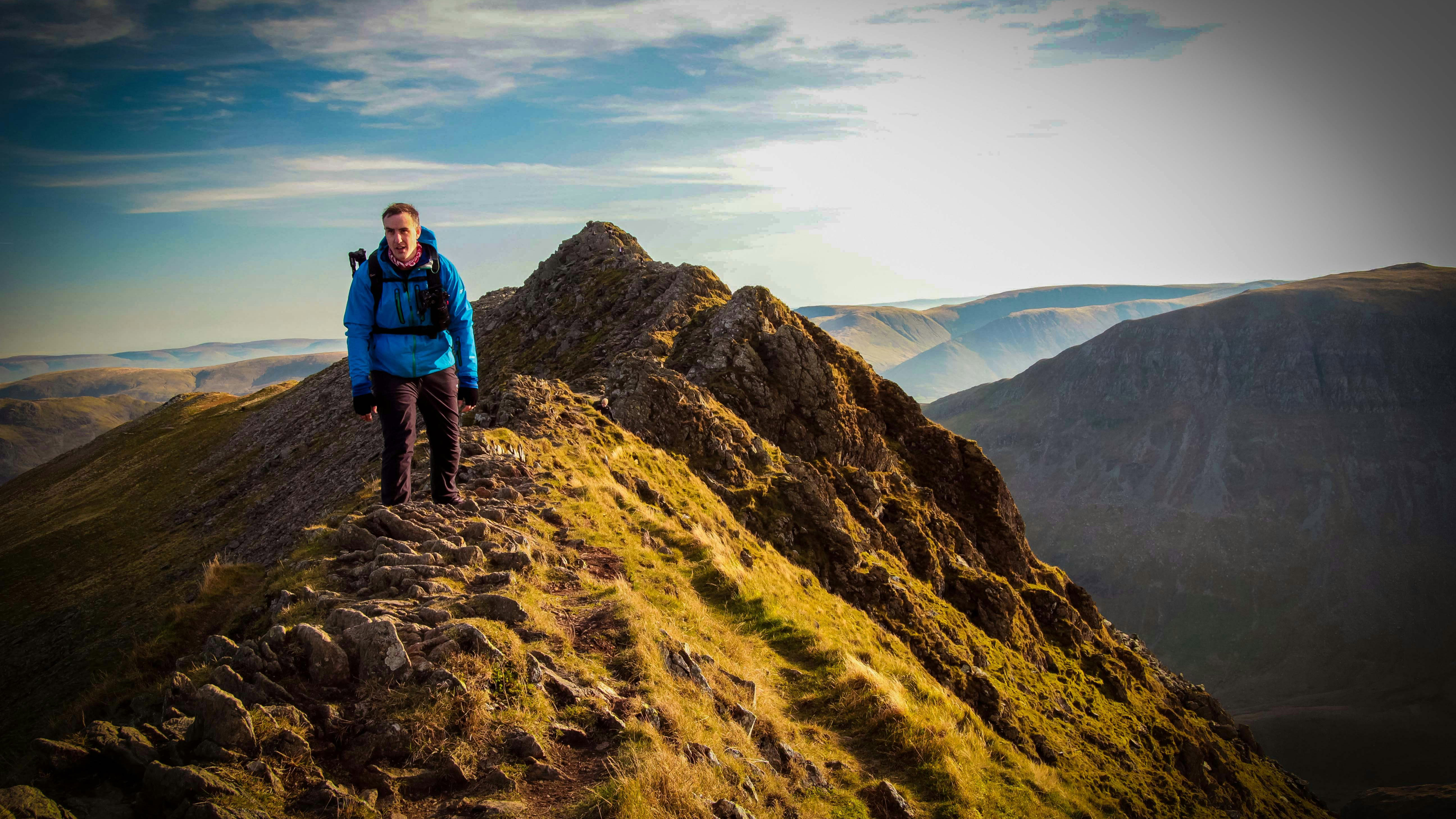
I’m a British Mountain Leader, a qualification that enables me to take people hiking in the UK’s mountains in summer conditions. My personal rule is not to head for exposed, narrow ridges when gusts of over 30mph are forecasted. Gusts in excess of this can throw an individual off balance, which could have fatal consequences on terrain where big drops are present. I haven’t arrived at this rule alone and in isolation. Conversations with other mountain professionals and my years of experience in the mountains has taught me to take this precaution.
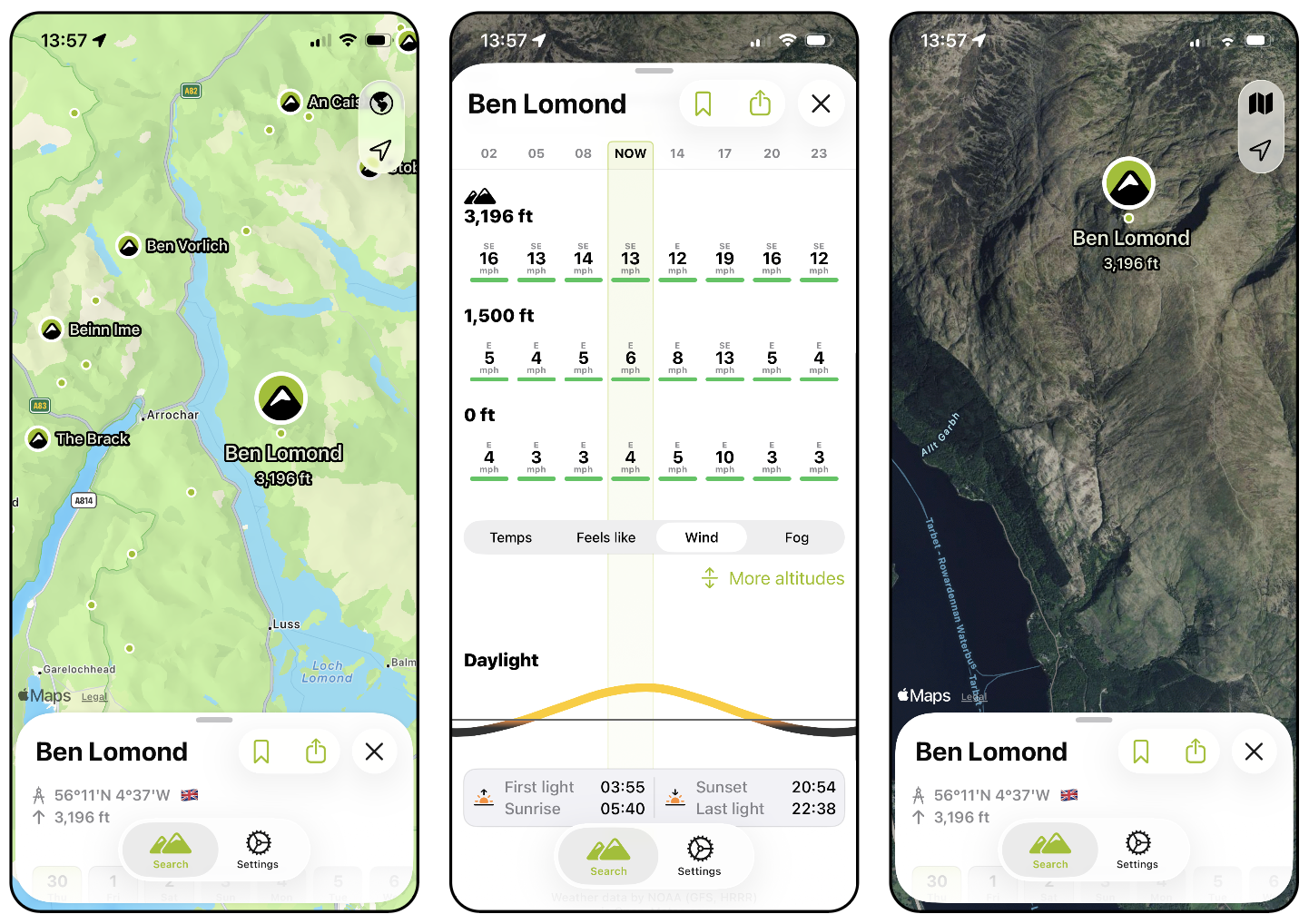
When it comes to reading the forecast before setting out on your hike, it’s essential to consult a dedicated mountain weather forecast rather than just a generic forecast designed for life at ground level. In fact, I’d always recommend checking at least two and comparing whether they agree.
There are several essential considerations beyond wind speed to consider. Check the wind’s direction as this will help you plan your route, telling you where will be sheltered. If you’re doing a loop where the majority of the high-level hiking is in one direction, try to plan it so that the wind is behind you. Walking into the wind all day is tiring – you’ll burn significantly more calories and potentially become exhausted.
Many local mountain forecasts will provide both the general wind speed and the maximum expected speed of any sudden gusts. Pay close attention to this metric, especially if you’re planning on taking on exposed terrain.
Finally, remember that wind speed changes depending on altitude, so seek a forecast that can give you an accurate breakdown of windspeed at different elevations, from valley to summit.