What to wear for hiking in hot weather
July 17, 2026
Our guide on what to wear on the trails when the mercury rises

Our guide on what to wear on the trails when the mercury rises
When the summer sun shines, the trails are at their busiest. With long days, pleasant temperatures and a reduced chance of getting caught in downpours, it’s no wonder that this is when hiking enthusiasts take time off work to reacquaint with the great outdoors. Knowing what to wear for hiking in hot weather makes summer hiking safer, more comfortable and more enjoyable.
After all, there’s no escaping the fact that summers are getting hotter and will continue to do so indefinitely until humanity properly gets a grip on the climate emergency. Oneway to escape the full brunt of our heatwaves is to gain some altitude on the mountain trails, or seek out a shaded gorge for a swim in a wild river. Regardless of the kind of adventure you’re after, you’ll need to dress appropriately and have the necessary supplies in your pack too.
That’s why I’m here to provide guidance on what to wear for hot weather hikes. As a qualified UK Mountain Leader, I’ve enjoyed countless summer hiking adventures in everything from scorching heat to torrential rain. Here’s what I wear, and what I pack...
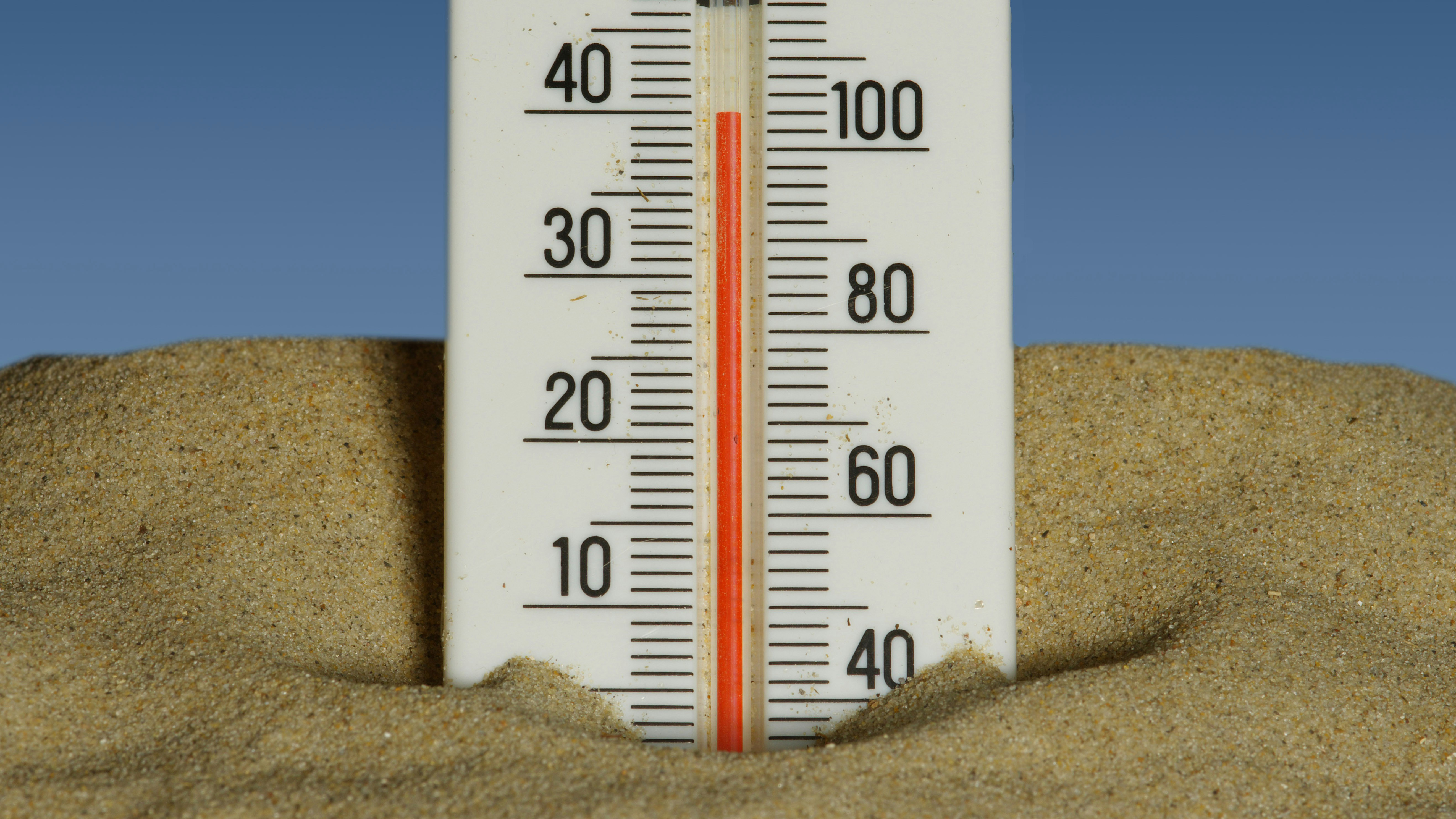
The saying goes something along the lines of ‘assumption is the mother of all mistakes’. Before setting out on a summer hike, don’t assume you’ll have glorious weather. Check a dedicated mountain weather forecast, such as from Peak Weather. This will not only give you a good idea of what to expect in terms of temperature and conditions, but it will also give you crucial data about how the temperature will change as elevation increases.
So, let’s say you’ve checked the forecast and you’ve got the green light for blue skies, sunshine and heat. Here’s what to wear, from top to bottom:
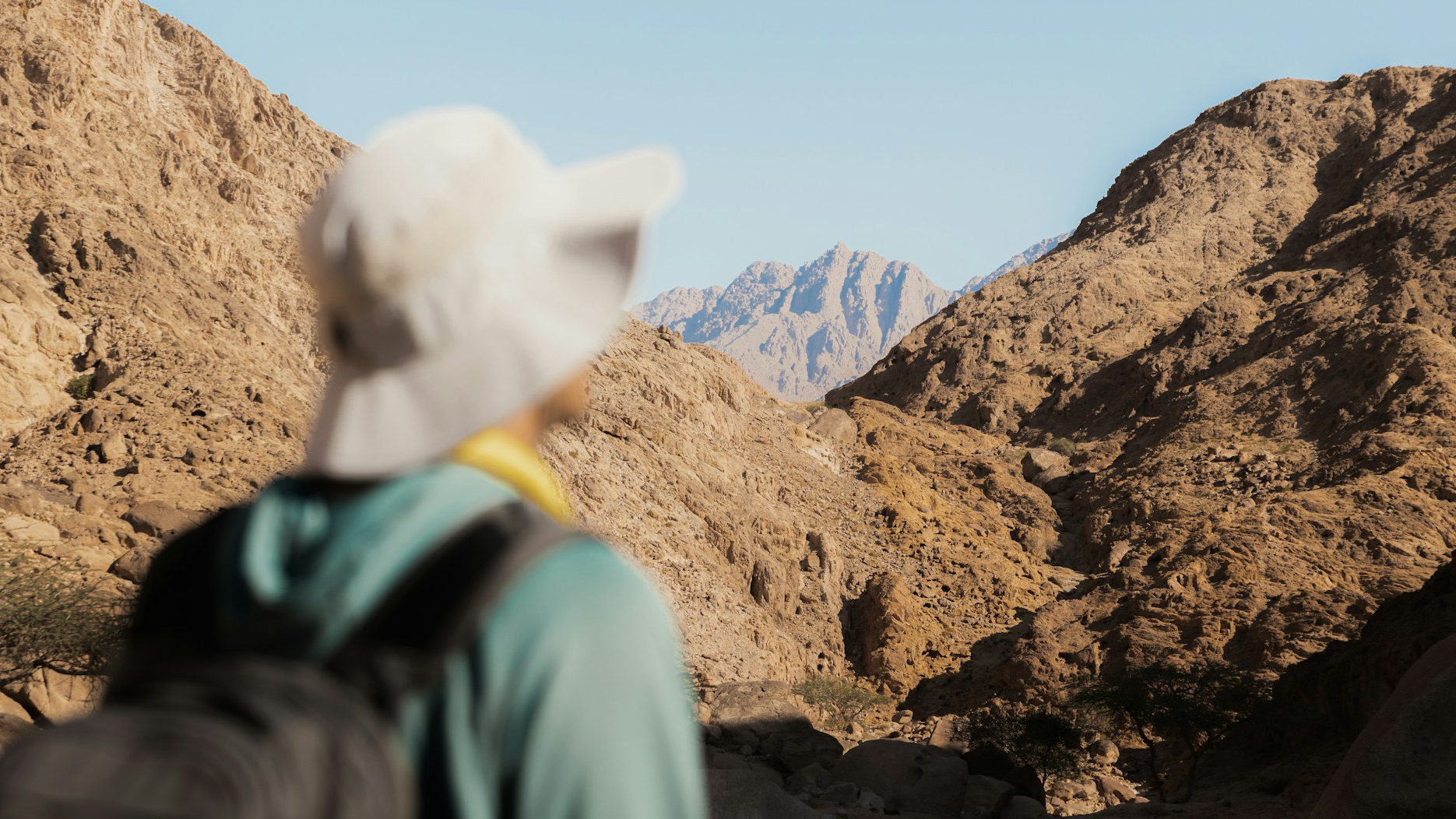
Sun hat: A full-coverage sun hat provides shade that’ll both keep you cool and provide protection against the sun’s powerful ultraviolet (UV) rays. A standard trucker cap is also good but doesn’t provide the same wrap-around protection as a full-coverage hat.
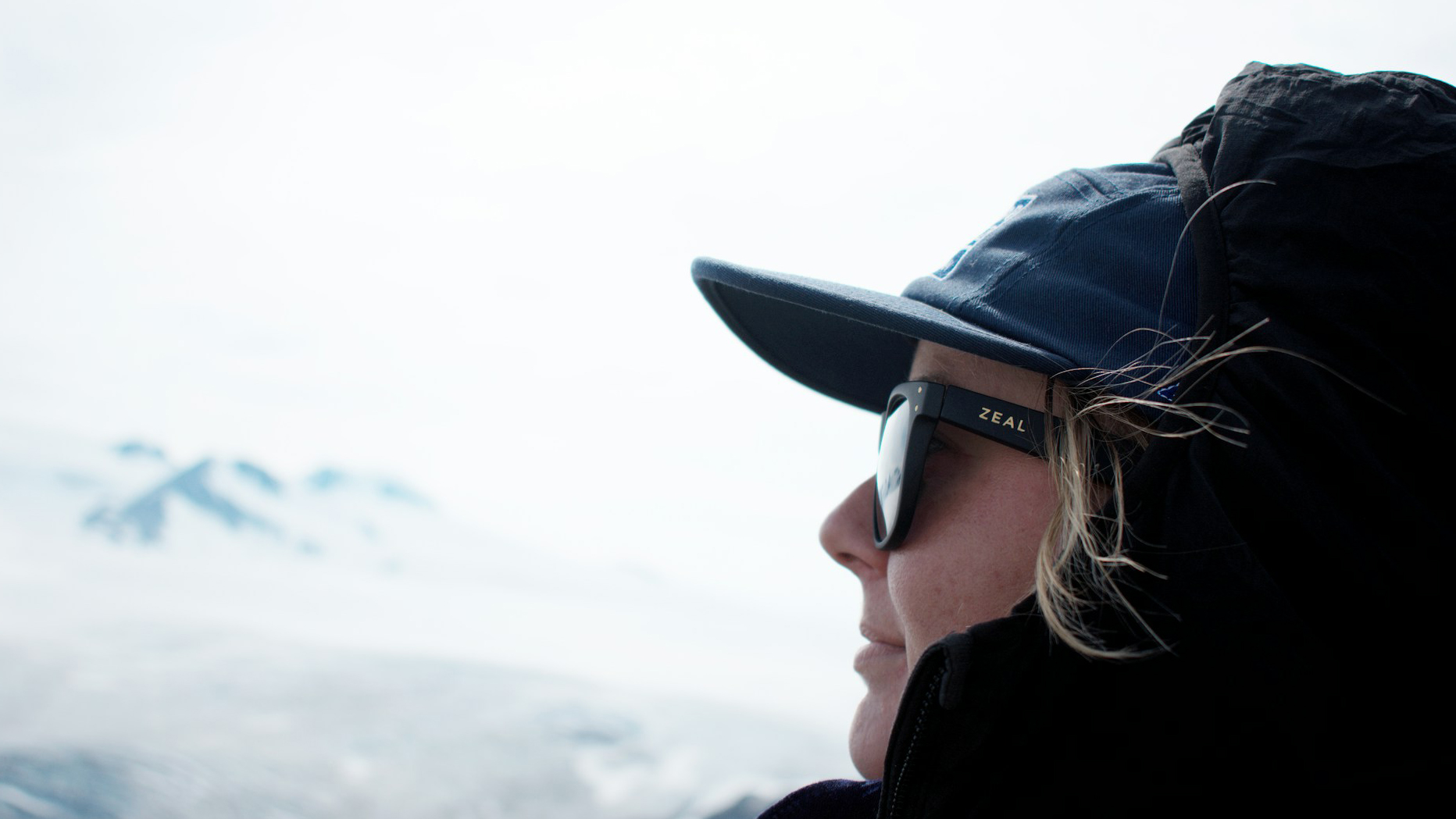
Sunglasses: Your eyes also require protection from the sun and this is particularly pertinent for those hiking at high altitudes, especially if glacier travel is involved. UV exposure increases by around 10% for every 1,000 metres. When you consider that snow reflects up to 80% of sunlight, you’ll soon appreciate that high levels of protection are vital. Category 3 sunglasses are appropriate for general hiking, allowing between 8 and 17% of visible light through. Category 4 sunglasses are necessary for glacier travel, as they only let in between 3 and 8% of visible light. Just bear in mind that in many countries it is illegal to drive in Category 4 shades.
Sunscreen: A high SPF sunscreen should be applied to any uncovered skin to shield it against UV rays.
Lightweight neck gaiter: It’s better to opt for a physical barrier to protect your skin from sunburn than it is to simply apply sunscreen. Stopping any chance of getting sunburnt keeps you protected and helps to stop you from becoming dehydrated. Obviously, this isn’t a practical solution for your face, but it’s a perfectly good one for your neck. Wear a lightweight neck gaiter.
Long-sleeved base layer: Wait! What? Long sleeves? Yes, again, it’s better to properly cover up by wearing a loose fitting, light coloured long sleeve top. Synthetic fabrics such as those found in running top shave the advantage of being lightweight, moisture wicking and fast-drying. Merino wool is also an excellent option, as its naturally odour-repelling too, as well as highly breathable.
Full-length, lightweight hiking trousers: Same principle applies here too. The best option is to find trousers with ventilations panels that can be opened up to provide greater airflow.
Synthetic or merino hiking socks: Avoid cotton at all costs when it comes to your socks. I swear by Merino wool or Merino/synthetic hybrids when it comes to my hiking socks. Of course, avoid the thicker designs intended for colder weather and you’ll be golden.
Quality hiking footwear: You’ll still need decent traction for the trails, so either hiking shoes or trail running shoes will do the job, depending on how technical your chosen terrain is (hiking shoes are superior for scrambling ground). Gore-Tex limits the breathability of your footwear so, if you’re not expecting to get wet, it’s worth choosing a non-waterproof pair if possible.
Hydration backpack: Running packs and many hiking packs these days either feature hydration bladders or have easily accessible compartments for soft flasks. This enables you to sup as your explore, allowing you to take a little water often, the best approach to staying hydrated.
Water, water and more water: There’s a balance to strike here, as water is obviously heavy. But, I’d always set out with at least 2 litres of water and aim to drink around 500ml per hour while exercising. Carrying a water filter enables me to safely replenish my supplies from streams without having to worry about its purity.
Lightweight waterproof jacket and trousers: I live in the UK and am therefore no stranger to rain. Even when wall-to-wall sunshine is forecast, conditions can change very quickly, especially in mountainous regions. A jacket also provides an additional layer or warmth if it’s significantly colder up high.
The usuals: I’m not going to go into too much detail here, but I also carry all the usuals: phone, food, first aid kit, map, compass, power bank and charging cables.
Increasingly in this day and age there are times when it’s simply too hot to go hiking. Hiking in extreme heat increases the stress on your body, making heart attacks or strokes more likely. It’s not easy – or sensible– to pinpoint an exact temperature, as other factors including humidity, how acclimated you are to the conditions and the amount of shade along your route also come into play.
When the sort of heat is forecast that prompts authorities to send out weather warnings, it’s too hot to hike for any extended period. These warnings indicate that measures should be taken to avoid exertion, not seek it out.
So, remember – don’t go hiking if weather warnings have been issued, you’re asking for trouble and potentially putting more strain on already stretched rescue and medical services. On scorching days that don’t fall into the weather warning category, make sure you avoid the hottest part of the day, drink plenty of fluids, dress appropriately, and plan to hike near water and in places with plenty of shade.